Every household benefits from having the right tools on hand. A well-equipped toolbox not only simplifies everyday tasks but also empowers individuals to tackle home improvement projects with confidence. From fixing minor leaks to assembling furniture, having essential tools readily available can save time and money.
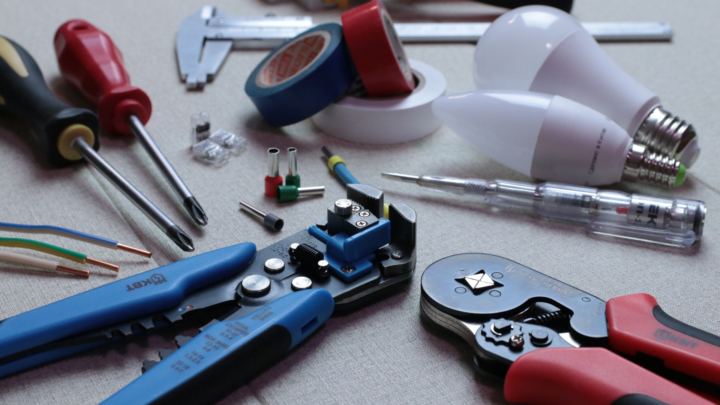
Common tools like screwdrivers, pliers, and hammers serve as the foundation of any useful toolkit. In addition, specialized tools such as a level or a tape measure ensure that tasks are completed accurately and efficiently. By investing in these basic tools, individuals can maintain their homes more effectively.
Being prepared with the right equipment fosters a proactive approach to home maintenance. Whether it’s a quick repair or an ambitious renovation, having essential tools ensures that tasks can be approached successfully and without unnecessary stress.
Basic Hand Tools
Essential hand tools are crucial for various household tasks, from minor repairs to DIY projects. Familiarity with these tools can enhance a homeowner’s ability to tackle maintenance efficiently.
Hammers and Mallets
Hammers come in various types suited for different tasks. The standard claw hammer is ideal for driving nails and removing them. A rubber mallet is useful for delicate tasks where damage to the surfaces is a concern, such as assembling furniture.
Types of Hammers:
- Claw Hammer: Common for general use.
- Sledgehammer: For heavy-duty jobs.
- Rubber Mallet: Non-marring strikes for sensitive jobs.
Choosing the right hammer can save time and prevent damage. It is also essential to select a hammer with a comfortable grip for better control.
Screwdrivers and Nut Drivers
Screwdrivers are vital for assembling furniture and tightening loose fixtures. They come in various types, including flathead and Phillips, which are designed for different types of screws.
Screwdriver Types:
- Flathead: Suitable for slotted screws.
- Phillips: Ideal for cross-shaped screws.
- Torx: Used for star-shaped screws in electronics.
Nut drivers complement screwdrivers by allowing users to tighten nuts and bolts efficiently. They are available in several sizes and should match the corresponding hardware.
Pliers and Wrenches
Pliers are essential for gripping, twisting, and cutting wire. Needle-nose pliers offer precision for small spaces, while lineman’s pliers provide leverage for heavier tasks.
Types of Pliers:
- Standard Pliers: General-purpose gripping.
- Needle-Nose Pliers: Precision work.
- Cutting Pliers: For wire cuts.
Wrenches, including adjustable wrenches and socket wrenches, facilitate working with nuts and bolts. An adjustable wrench is versatile, while socket wrenches allow for rapid changes between fasteners. Having a range of these tools ensures readiness for various mechanical tasks around the house.
Power Tools
Power tools are essential for tackling a variety of household tasks, ranging from simple repairs to more complex projects. Among the most valuable options are drills, drivers, and saws, which provide efficiency and precision.
Drills and Drivers
Drills are versatile tools used for creating holes in various materials. Cordless models are particularly popular for their convenience and portability.
Key Features:
- Battery Life: Look for models with longer battery life or quick-charging options.
- Torque Settings: Adjustable settings allow for precision in driving screws without stripping.
Drivers, specifically impact drivers, are more powerful than standard drills. They excel at driving screws with ease, thanks to their torque generation.
Usage Tips:
- Use the appropriate bit for the material being worked on.
- Always wear safety glasses when operating power tools to protect your eyes from debris.
Saws
Saws come in different types, each suited for specific tasks. Common household saws include circular saws, jigsaws, and reciprocating saws.
Circular Saws:
- Ideal for straight cuts in wood and other materials.
- Blade Size: Commonly 7-1/4 inches for most projects.
Jigsaws:
- Perfect for intricate cuts and curves.
- Blade Types: Choose bi-metal blades for versatility in materials.
Reciprocating Saws:
- Best for demolition and cutting through tougher materials like pipes or stud frames.
- Key Considerations: Ensure it has a variable speed and adjustable shoe for different cuts.
Using the right saw can greatly enhance the quality and efficiency of a project. Always follow the manufacturer’s guidelines for safe operation.
Measuring and Layout Tools
Accurate measurements and proper layout are essential for any home project. The right tools help ensure precision, whether measuring dimensions for furniture placement or aligning shelves.
Tape Measures and Rulers
Tape measures are versatile and portable, making them ideal for measuring both small and large spaces. Most tape measures extend to at least 25 feet, featuring clear markings for inches and centimeters. A locking mechanism allows users to keep the tape in place while taking measurements, enhancing accuracy.
Rulers, typically shorter than tape measures, are useful for detailed work on smaller projects. They often feature both metric and imperial units. Consider having a wooden or metal ruler for rigidity, which aids in drawing straight lines and making precise cuts. Having both tools available allows users to handle a variety of tasks efficiently.
Levels and Squares
Levels are crucial for ensuring that surfaces are horizontally or vertically aligned. A bubble level provides a quick visual indication of alignment, with markings for both horizontal and vertical planes. Some levels come with built-in magnets for easy attachment to metal surfaces, which can be useful during installation projects.
Squares, such as framing or combination squares, help in achieving right angles. These tools ensure that corners are squared and edges are straight. For woodworking and home improvement, a framing square can assist in layout tasks and measuring angles accurately. Using these tools correctly helps achieve professional-quality results in home projects.
Fastening and Bonding Essentials
Every household requires reliable tools for fastening and bonding to handle various projects. Choosing the right components ensures that tasks are completed efficiently and securely.
Nails, Screws, and Anchors
Nails and screws are fundamental fasteners for construction and repairs. Nails come in various types, including framing, finishing, and roofing nails. Framing nails are used in structural applications, while finishing nails provide a smooth, concealed finish.
Screws offer enhanced holding power and are available in types like wood, machine, and sheet metal screws. It’s crucial to select the appropriate screw for the material.
Anchors are essential for securing items to walls, especially for heavier objects. Types include toggle bolts, plastic expansion anchors, and sleeve anchors, each suited to different applications.
Glues and Adhesives
Different projects require specific types of adhesives to bond materials effectively. Wood glue is ideal for carpentry projects, providing a strong bond between wooden pieces.
Super glue is a fast-setting option for small repairs on various surfaces. It works well on plastic, metal, and ceramics.
For more demanding applications, epoxy adhesives provide exceptional strength and durability. They are perfect for heavy-duty use and waterproof bonds.
Spray adhesive offers versatility for crafting and general use. It’s useful for attaching lightweight materials quickly. Understanding these options helps in making informed choices for household needs.