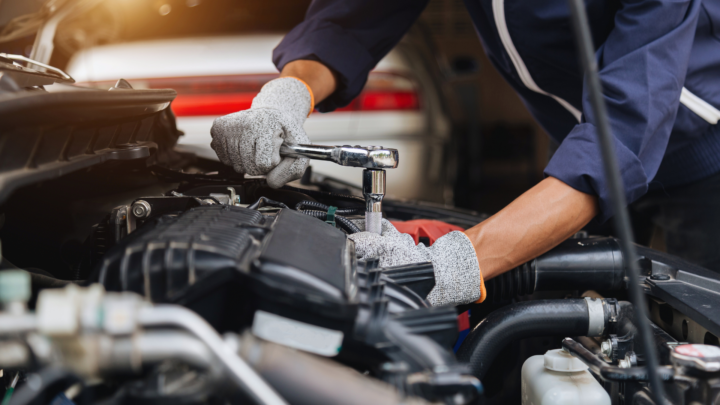
Many car owners attempt repairs without fully understanding the complexities involved. The biggest mistake people make when fixing their car is overlooking the importance of proper diagnosis before starting any work. Jumping straight into repairs can lead to wasted time and money, often compounding the original issue instead of resolving it.
Additionally, neglecting essential safety precautions poses significant risks. They may not use the right tools or protective equipment, which can lead to injury or further damage to the vehicle. Understanding the correct procedures is crucial for both safety and effectiveness.
Lastly, relying on online tutorials without considering one’s own experience level can create obstacles. While resources are abundant, not all advice is suitable for every situation. Adapting guidance to personal knowledge and skill can prevent costly errors and ensure a smoother repair process.
Identifying Common Maintenance Mistakes
Many drivers overlook essential aspects of vehicle maintenance. Ignoring warning lights can lead to significant problems, while neglecting routine oil changes may harm engine performance.
Ignoring Warning Lights and Alerts
Warning lights on the dashboard serve as essential indicators of potential issues. Common lights include the check engine light, oil pressure warning, and battery alert. Ignoring these signals can result in serious damage and costly repairs.
When a light activates, it is crucial to investigate promptly. Drivers should consult their owner’s manual to understand the implications of each light. Frequent warnings may indicate underlying problems that need professional inspection.
Key Advice:
- Don’t dismiss any warning light as a temporary nuisance.
- Schedule an inspection if warning lights illuminate.
Proactive attention to warning lights can save both time and money in the long run.
Neglecting Regular Oil Changes
Oil changes are a fundamental part of vehicle maintenance. Engine oil lubricates parts, reduces friction, and prevents overheating. Neglecting to change oil as per the service schedule can lead to engine wear and reduced efficiency.
Most manufacturers recommend changing engine oil every 3,000 to 5,000 miles, but this can vary based on the vehicle and oil type. Drivers should check the owner’s manual for specific recommendations.
Consequences of Neglecting Oil Changes:
- Increased engine wear
- Possible engine failure
- Costly repairs
Staying diligent with oil changes is vital for maintaining optimal engine performance and longevity.
Optimizing Tire and Brake Performance
Maintaining optimal tire and brake performance is essential for vehicle safety and efficiency. Proper care can enhance fuel economy and extend the lifespan of both tires and brakes.
Importance of Tire Maintenance
Regular tire maintenance is crucial for safe driving. Proper tire pressure is a key focus. Tires inflated to recommended levels improve fuel economy and handling. Under-inflated tires can lead to uneven wear and reduced traction.
Tire rotation should occur every 5,000 to 7,500 miles. It ensures even wear and prolongs tire life. Additionally, wheel alignment checks are necessary to prevent misalignment, which can cause rapid tire degradation.
Drivers should regularly inspect tires for irregularities such as:
- Cracks
- Bulges
- Tread wear
Maintaining tires affects overall vehicle performance and responsiveness on the road.
Brake Maintenance and Fluid Checks
Brake maintenance is equally important for vehicle safety. Regular checks of brake fluid levels help ensure efficient braking. Low fluid can signal a leak or wear in the braking system, which requires immediate attention.
Drivers should inspect brake pads periodically. Worn pads can compromise stopping power. Signs of wear include squeaking noises and reduced responsiveness.
A typical brake maintenance checklist includes:
- Checking fluid levels
- Inspecting pads for wear
- Testing brake responsiveness
Addressing these elements promptly helps avoid common maintenance mistakes that can jeopardize safety on the road. Proper brake care directly impacts driving confidence and vehicle safety.
Ensuring Fluids and Filters Are Maintained
Maintaining fluids and filters is essential for a vehicle’s longevity and performance. Regular checks and timely replacements prevent engine damage and costly repairs that could arise from neglect.
The Role of Engine Oil and Coolant
Engine oil lubricates moving parts, reducing friction and preventing wear. Regularly checking and changing engine oil ensures that it remains effective. Owners should follow the manufacturer’s recommendations regarding oil change intervals and the grade of oil to use.
Coolant prevents overheating by dissipating heat from the engine. Over time, coolant can become contaminated, reducing its effectiveness. Flushing and replacing coolant periodically can prevent overheating and catastrophic engine damage. It’s crucial to check both oil and coolant levels routinely to maintain optimal vehicle health.
The Importance of Clean Air Filters and Regular Replacement
Air filters prevent dirt and debris from entering the engine. A clean air filter ensures proper airflow, improving fuel efficiency and performance. It is advisable to check air filters every 15,000 to 30,000 miles or as recommended.
Dirty air filters can restrict airflow, leading to decreased engine performance and increased fuel consumption. Regular replacement of air filters minimizes the risk of engine problems. Owners should also monitor cabin air filters for a healthier interior environment and to maintain air quality.
Additional Considerations for Car Care
Proper maintenance extends beyond basic repairs. It involves paying attention to components that ensure safe and effective operation, as well as maintaining the vehicle’s appearance.
Steering, Hoses, and Wiper Maintenance
Ensuring steering operates smoothly is essential for safe driving. Regular checks on power steering fluid levels can prevent issues. Any signs of leaks should prompt immediate inspection.
Hoses in the engine compartment are crucial for cooling and fluid transfer. Checking for cracks, leaks, or bulging can avert potential breakdowns. A well-maintained cooling system, including hoses, can extend engine life significantly.
Wiper blades should not be overlooked. Old wipers can cause streaking on the windshield, impairing visibility. It’s wise to replace them every six months or when worn. Regularly inspecting the wiper function can prevent dangerous driving conditions during rain or snow.
Aesthetic Maintenance with Wax and Wipers
Aesthetic care helps maintain a vehicle’s value. Applying a good-quality wax every few months can protect the paint from UV damage and contaminants. Wax creates a barrier that makes washing easier and maintains the car’s shine.
Wiper performance is also part of aesthetic maintenance. Clear windshields improve appearance and safety. Windshield wipers should be cleaned regularly to remove dirt and debris. This helps prevent scratches on the glass and ensures optimal performance during inclement weather.