
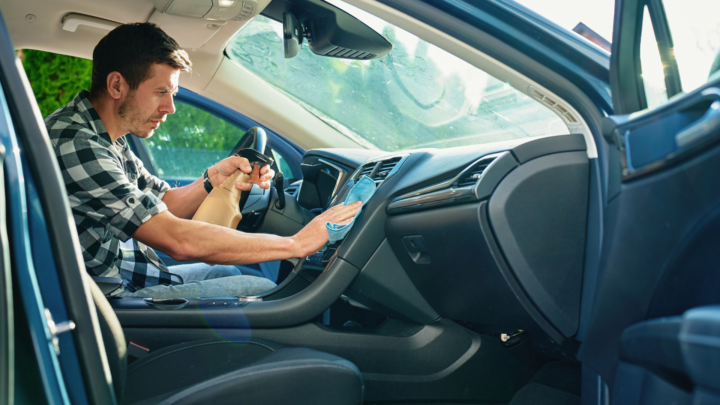
Cleaning car interior upholstery starts with identifying the material—fabric, leather, or vinyl—and choosing the right cleaning solution. A simple mix of mild detergent and warm water, combined with gentle scrubbing, effectively removes most stains and dirt from fabric seats.
For leather or vinyl, use specialized cleaners to avoid damage. Regular maintenance prevents buildup and keeps upholstery looking fresh longer. This guide breaks down practical steps for each material type, helping you restore your car’s interior efficiently.
Essential Tools and Supplies
Cleaning car interior upholstery requires specific products and equipment to effectively remove dirt and stains while protecting the fabric. Using the right items ensures efficient results and prevents damage to your car’s interior. Safety precautions are also necessary to avoid harmful effects from cleaning agents and tools.
Choosing the Right Cleaning Products
Select cleaning products designed specifically for your upholstery type—leather, fabric, or vinyl. For fabric seats, use a foaming fabric cleaner or upholstery shampoo that lifts dirt without oversaturating. Leather seats need a gentle leather cleaner combined with conditioner to avoid drying and cracking.
Check product labels for ingredients to avoid harsh chemicals like bleach or ammonia, which can discolor or damage surfaces. Test any cleaner on a small hidden area first to ensure it won’t fade or stain the fabric. Avoid strong fragrances that may linger or cause allergies.
Keep a microfiber cloth handy to apply cleaners and another to blot and dry upholstery gently. This minimizes damage and removes dirt without scrubbing too hard.
Must-Have Equipment for Upholstery Care
Essential equipment includes:
- Soft-bristle brushes for scrubbing fabric gently without tearing fibers.
- Microfiber towels for applying cleaners and drying surfaces.
- Vacuum cleaner with an upholstery attachment to remove loose dirt and debris.
- Spray bottles for even application of cleaning solutions.
- A steam cleaner for deeper cleaning, if compatible with your upholstery type.
Using tools designed for car interiors reduces wear on fabric and enhances the cleaning process. Avoid abrasive brushes and household vacuum attachments that are too harsh or large for tight spaces.
Safety Tips for Car Interior Cleaning
Always work in a well-ventilated area to avoid inhaling fumes from cleaning products. Wear gloves to protect your skin from irritants in chemicals or dirt particles. Avoid mixing cleaning products, as some combinations create toxic gases or damage materials.
Keep all products away from children and pets during and after use. Follow label instructions strictly to prevent accidental damage or health risks. If unsure about a product or method, consult the manufacturer’s guidelines for both your car and the cleaning solution.
Pre-Cleaning Steps
Preparing the car interior properly ensures more effective cleaning and protects upholstery from damage. It helps to identify dirt types and select the right products for the best results.
Removing Personal Items and Debris
Begin by taking out all personal belongings from your car, including trash, loose papers, and smaller objects. This prevents obstruction and allows thorough access to every surface.
Check seat crevices, under the seats, and inside door pockets for hidden debris. Use your hands or a small brush to dislodge stubborn particles before vacuuming.
Clear floor mats and shake them outside to remove dirt. This step reduces the amount of dirt tracked back into the vehicle during cleaning.
Vacuuming for Surface Dirt
Use a vacuum cleaner with appropriate attachments to clean all upholstery, floors, and seams. Focus on edges and crevices where dust and crumbs accumulate most.
Maintain a consistent back-and-forth motion and adjust the nozzle to reach tight spaces. Vacuuming before applying any liquids is essential to avoid spreading dirt.
For fabric seats, use a brush vacuum attachment to lift fibers and loosen embedded debris. Avoid harsh suction on delicate materials like leather.
Testing Cleaning Solutions on Upholstery
Before applying any cleaner broadly, test it on a small, hidden area of the upholstery. This checks for colorfastness and potential fabric damage.
Apply a small amount of the solution, wait 5-10 minutes, then blot with a clean cloth to see if any discoloration or degradation appears.
If no changes occur, proceed with cleaning. If damage is noticed, choose a milder product or consult the manufacturer’s recommendations before continuing.
Spot Cleaning Car Upholstery
Spot cleaning targets specific stains or spills without treating the entire surface. Effective cleaning hinges on quickly identifying the stain type and using the right solution to prevent permanent damage.
Identifying Common Stains
Common stains in car upholstery include food, beverages, dirt, ink, and grease. Each requires a different cleaning approach. For example, grease needs a degreaser, while ink often needs alcohol-based products.
Look closely at the stain’s texture and color. Fresh stains are usually easier to remove; older stains may require more intensive treatment. Test any cleaning product on a hidden area first to check for discoloration or damage.
Treating Food and Beverage Spills
For solid food spills, gently scrape off excess material with a dull knife or spoon before cleaning. Blot liquid spills with a clean cloth to absorb as much moisture as possible, avoiding rubbing that can spread the stain.
Use a solution of mild detergent and water for most food stains. Apply it with a clean cloth, blotting the stain away from the center. For coffee or soda spills, a mixture of white vinegar and water can help break down sugars and acids.
Avoid soaking the upholstery to prevent moisture buildup that leads to mold or mildew.
Handling Pet Stains and Odors
Pet stains often involve both solid waste and urine, requiring thorough cleaning to eliminate odors. Blot fresh urine stains immediately using paper towels or a cloth to absorb liquid.
Use an enzymatic cleaner designed to break down urine proteins and neutralize odors. Avoid ammonia-based cleaners, as their smell can attract pets back to the same spot.
For solid waste, remove the residue first, then clean with a pet-safe upholstery cleaner. Allow the area to dry completely to prevent lingering smells.
Deep Cleaning Cloth Upholstery
Thorough cleaning of cloth upholstery requires specific steps to avoid damage and improve results. Target fabric fibers carefully, use the right cleaning solutions, and focus on drying methods that prevent mold and odors.
Proper Techniques for Fabric Seats
Begin by vacuuming the seats to remove loose dirt and debris. This prevents dirt from embedding deeper during cleaning.
Use a fabric-safe upholstery cleaner or a mixture of mild detergent and warm water. Test in an inconspicuous area before full application to avoid discoloration.
Apply the cleaner with a soft brush or microfiber cloth, working in small circular motions. Avoid soaking the fabric; excess moisture can cause mildew.
Blot the area with a clean, dry towel to lift dirt and moisture. Repeat as needed until the fabric appears clean but not saturated.
Dealing with Stubborn Stains
Address stains quickly to improve removal chances. Blot fresh stains rather than rubbing, which can spread or embed them.
For tougher stains like coffee, grease, or ink, use specialized stain removers formulated for upholstery. Follow product instructions precisely.
Common homemade solutions include a mixture of white vinegar and water or a baking soda paste for odor and stain reduction. Avoid bleach or harsh chemicals as they can damage fibers.
Apply stain removers sparingly and test first. Work gently with a soft brush or cloth, then blot and rinse with clean water to remove residue.
Drying Upholstery Effectively
Proper drying prevents mold and retains fabric texture. After cleaning, blot excess moisture immediately using dry towels.
Increase air circulation by opening car doors or windows. Use a fan or portable dryer set to low heat if available.
Avoid direct sunlight for extended periods, as it can fade fabric colors and cause shrinkage.
Ensure seats are fully dry before use or replacing cushions to prevent musty odors and bacterial growth.
Deep Cleaning Leather and Vinyl Interiors
Cleaning leather and vinyl requires specific techniques and products to avoid damage. Proper cleaning helps maintain the material’s appearance and extends its lifespan. Conditioning and protecting these surfaces is essential to prevent cracking and fading.
Gentle Cleaning Methods for Leather
Start by vacuuming leather seats with a soft brush attachment to remove dust and debris. Use a pH-balanced leather cleaner applied with a microfiber cloth, working in small sections. Avoid harsh detergents or excessive water, as they can dry out the leather.
Lightly dampen the cloth, then gently wipe the leather surface. For stubborn stains, use a specialized leather stain remover, testing it on a hidden area first. Avoid scrubbing aggressively to prevent surface damage.
Protecting and Conditioning Leather Surfaces
After cleaning, apply a quality leather conditioner to restore moisture. Use a small amount and rub it in using circular motions with a clean cloth. Conditioners help keep leather supple and reduce cracking.
Let the conditioner absorb for 15-20 minutes, then buff the surface with a dry cloth to remove excess product. Repeat conditioning every 3-6 months, depending on exposure to sunlight or heat, to maintain flexibility.
Cleaning and Maintaining Vinyl Upholstery
Use a vinyl-specific cleaner or a mixture of mild soap and warm water to clean vinyl surfaces. Apply the solution with a soft sponge or cloth, focusing on one small area at a time.
Avoid abrasive tools that can scratch vinyl. After cleaning, wipe the surface with a damp cloth to remove residue. To maintain vinyl flexibility and prevent fading, occasionally apply a vinyl protectant designed to shield against UV rays.
Special Care for Delicate Materials
Cleaning delicate car upholstery requires using gentle methods and the right products to avoid damage. Specific attention to texture and moisture levels helps keep materials like suede, Alcantara, and sensitive fabrics looking their best.
How to Clean Suede and Alcantara
Suede and Alcantara need careful handling because water and harsh cleaners can cause stains or texture changes. Use a soft brush or microfiber cloth to dust off dirt and debris gently. For stains, apply a small amount of specialized suede or Alcantara cleaner in circular motions.
Avoid soaking the material. Instead, use a slightly damp cloth to wipe off excess cleaner. Always test any cleaning product on an inconspicuous area first. Let the upholstery air dry naturally, away from direct sunlight or heat sources, to prevent warping or color fading.
Avoiding Damage to Sensitive Fabrics
Sensitive fabrics require pH-neutral or mild detergents specifically designed for automotive upholstery. Avoid bleach, ammonia, or strong solvents that degrade fabric fibers and cause discoloration.
Use a soft sponge or cloth in light strokes to clean these fabrics, and never scrub vigorously. Frequent vacuuming with a brush attachment reduces the need for wet cleaning and removes dirt embedded between fibers.
Keep moisture minimal by using a spray bottle to lightly mist the cleaner rather than pouring it directly. After cleaning, dry the area with a clean cloth and leave windows open briefly to ensure proper ventilation and prevent mold growth.
Eliminating Odors and Freshening the Interior
Effective odor removal involves targeted treatments that neutralize smells rather than just masking them. Maintaining a dry and clean environment inside the car is essential to keep odors from returning.
Using Deodorizers and Air Fresheners
Choose deodorizers that contain odor-neutralizing agents like activated charcoal or baking soda rather than simple scent sprays. These products absorb and eliminate odors from the upholstery fibers.
Sprinkle baking soda on seats and carpets, let it sit for 15-30 minutes, then vacuum thoroughly. Alternatively, charcoal bags placed under seats can continually absorb smells without added fragrance.
Air fresheners provide a more immediate scent boost but are best used in combination with deodorizing methods. Avoid overpowering scents to prevent headache or allergy triggers. Use vent clips or small hanging air fresheners with natural oils for a steady, moderate fragrance.
Preventing Mold and Mildew
Mold and mildew thrive in damp, poorly ventilated interiors. After cleaning upholstery, ensure surfaces are completely dry before closing car doors or windows.
Use a moisture absorber like silica gel packs or dedicated car dehumidifiers to control humidity. Regularly airing out the vehicle, especially after rain or spills, reduces moisture buildup.
Inspect the upholstery and carpet for leaks caused by weather seals or window gaps. Repair such damage promptly to prevent water from seeping in and creating mold-friendly conditions.
Maintaining Clean Upholstery
Regular upkeep and thoughtful habits are essential to keep car upholstery looking fresh for longer. These practices reduce dirt buildup, prevent stains, and extend the life of the fabric or leather.
Routine Cleaning Schedule
Set a cleaning routine based on your car’s usage and environment. Vacuum upholstery weekly to remove dust and small debris. Use a soft brush attachment to avoid damaging the fabric or stitching.
Monthly, wipe down surfaces with a suitable cleaner for your upholstery type. For cloth seats, use a fabric cleaner; for leather, apply a dedicated leather cleaner and conditioner. Address spills immediately to prevent permanent stains—blot, don’t rub, and use a mild solution if necessary.
Deep clean the upholstery every 3-6 months. This includes shampooing fabric seats or applying leather treatment products. Follow label instructions carefully to avoid discoloration or damage.
Tips for Preventing Future Stains
Avoid eating or drinking inside the car whenever possible. If needed, use spill-proof containers to minimize risk. Place seat covers or protectors, especially when transporting pets or cargo.
Keep a microfiber cloth and upholstery cleaner in the car for quick spot treatment. Clean shoes before entering, particularly in wet or muddy conditions, to reduce dirt transfer.
Use sunshades to protect upholstery from UV damage, which can weaken fibers and cause fading. Regularly inspect seats for early signs of wear or stains and treat them promptly.
| Prevention Tip | Purpose | Frequency |
| Weekly vacuuming | Remove dirt and debris | Weekly |
| Immediate spill care | Prevent permanent stains | As needed |
| Seat covers | Shield upholstery | When transporting |
| UV sunshades | Protect from fading | Daily when parked |
Eco-Friendly Cleaning Alternatives
Using environmentally safe products can protect both your car’s interior and the planet. Focusing on non-toxic, biodegradable options reduces chemical exposure and waste. Understanding the ingredients and lifecycle of cleaning products is essential.
Natural Cleaning Solutions
Common household items like white vinegar, baking soda, and lemon juice work well for upholstery cleaning. Mix one part vinegar with two parts water for a gentle but effective spray. Baking soda can be sprinkled on fabric to neutralize odors before vacuuming.
Lemon juice acts as a natural disinfectant and brightener, but should be used sparingly to avoid fabric damage. Avoid harsh chemicals that can fade or weaken upholstery fibers. Test solutions on a hidden area before full application to ensure colorfastness.
Choosing Sustainable Products
Look for products labeled biodegradable, phosphate-free, and non-toxic. These reduce environmental impact without sacrificing cleaning power. Brands that disclose full ingredient lists show transparency, which aids in making informed choices.
Reusable cleaning tools, such as microfiber cloths, cut down on waste compared to disposable alternatives. Bulk purchasing also reduces packaging waste. Prioritize products certified by recognized organizations like the EPA Safer Choice for added assurance.
Troubleshooting and Professional Help
Some upholstery issues need more than basic cleaning efforts. Knowing when to call a professional and how to handle stubborn stains can save time and prevent damage.
When to Seek Professional Detailing
Professional detailing is recommended if your upholstery has deep-seated odors, extensive stains, or damage that regular cleaning can’t fix. Cars with delicate leather or specialty fabrics may also benefit from expert care to avoid discoloration or warping.
If DIY methods fail after multiple attempts, it’s safer to stop and consult a professional. Specialists use industrial-grade equipment and products that can reach deeper layers without harming the material. This is especially important for mold, heavy pet stains, or spills containing chemical substances.
Routine professional cleaning every 12-18 months can extend the life of your upholstery and maintain resale value by preventing the buildup of dirt and contaminants that home kits miss.
Addressing Persistent Stains
Persistent stains often require targeted treatment beyond surface cleaning. Start by identifying the stain type: oil-based, organic, or ink usually needs different solvents.
Use gentle blotting techniques with appropriate cleaners instead of scrubbing to avoid pushing the stain deeper. Always test cleaning solutions on hidden areas first for colorfastness.
For tough spots, products containing enzymatic formulas work well on organic stains like food or blood. Oil-based stains may need solvent-based cleaners—apply sparingly and rinse thoroughly.
If the stain remains after multiple treatments, avoid harsh chemicals that can damage fibers. Instead, consider professional spot removal or steam cleaning to protect upholstery integrity.